Highlighttour
Discover the DB Museum in Koblenz
Fascinating preserved vehicles await rail enthusiasts young and old at the DB Museum in Koblenz. Keep reading for some tips on planning your day and the highlights that await.
3:00 Hours
Important information to help you prepare for your tour of the DB Museum:
- Admission tickets can be purchased in advance at the online ticket shop
Our exhibition
Our exhibition
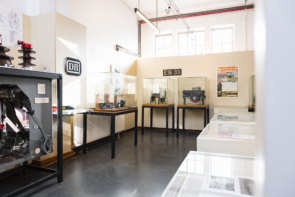
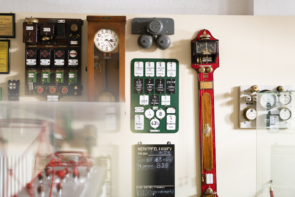
The Koblenz exhibition focuses on electric train transport and rail travel. In addition to displaying the original vehicles, we explain these topics using photographic documents and models. There is a museum cinema, and the technology behind electric drives is clearly explained in the museum rooms.
89 4701
Steam locomotive
89 4701
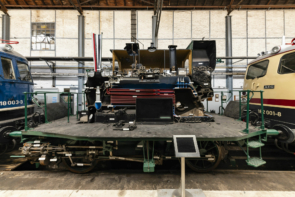
Steam locomotive
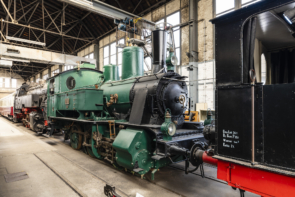
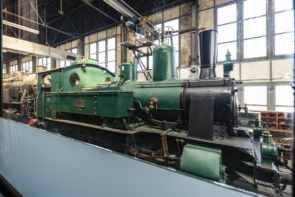
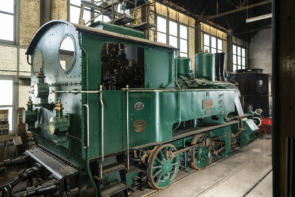
The Bavarian R3/3 series locomotives were delivered between 1898 and 1923 by Krauss & Co. in Munich to the Bavarian State Railway (and from 1920 to the German Reichsbahn). The engines were intended for shunting service and were stationed at all major stations in Bavaria. Decommissioned in 1964, locomotive No. 89 801 was restored at the Schwerte repair workshop in 1985 to mark the 150th anniversary of the railway in Germany and handed over to the DB Museum.
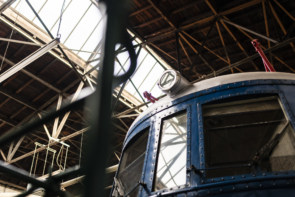
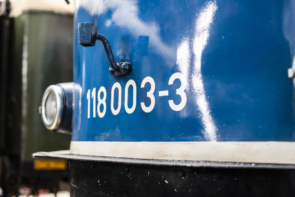
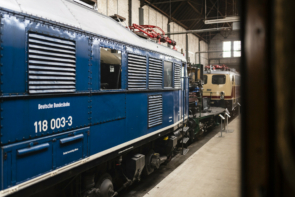
118 003-3
Electric locomotive
118 003-3
Electric locomotive
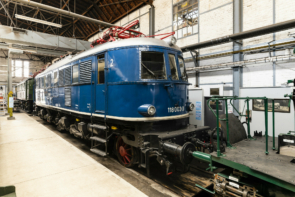
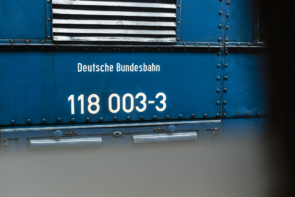
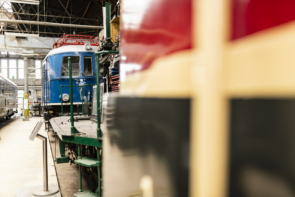
With competition from road transport beginning in the late 1920s, the German Reichsbahn attempted to increase the speeds of its express trains. To this end, the E 18 electric locomotive series was procured from 1935 onwards. Its design was based on the light express train locomotive of the 04 series, which had been put into service in 1932, but had been significantly further developed: it was the first German electric locomotive to be aerodynamically designed and built for speeds of 150 km/h. It was also the first to be controlled from a seated position rather than standing, as had been the norm until then.
98.3 4515
Steam locomotive
98.3 4515
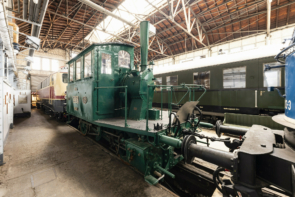
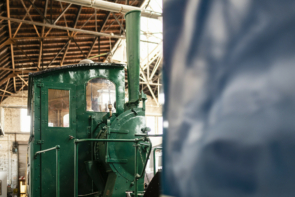
Steam locomotive
The Bavarian PtL2/2 locomotives were built for use on branch lines. These small vehicles, which were nicknamed “Glaskastl” (glass boxes) due to their unusual window arrangement for steam locomotives, were high-tech machines in their day: they were the first superheated steam engines of the Bavarian State Railway and were equipped for one-man operation in order to reduce personnel costs on the mostly loss-making local railways.
Saloon car
10208 Berlin
Saloon car
10208 Berlin
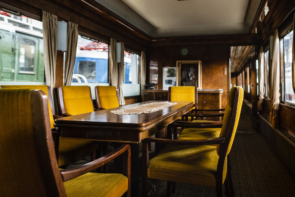
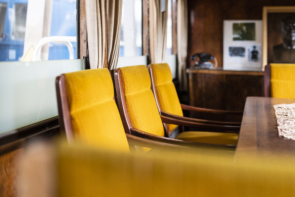
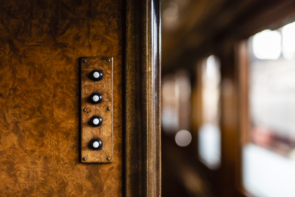
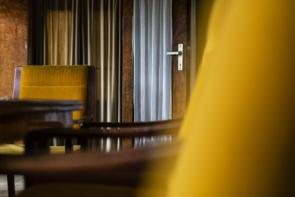
Carriage 51 80 89-90308-3 was delivered to the German Reichsbahn in 1938 as Sal 10208 Berlin. It was at the disposal of Reich Minister of Transport Julius Dorpmüller, who was also Director General of the German Reichsbahn. From 1945, the Director General of the Reichsbahn in the British occupation zone used the car, and in the 1950s it was handed over to the Deutsche Bundesbahn. After being repaired, the vehicle was made available to the President of the Federal Railway Administration for his business trips. In 1965, the car was used in the special train of Queen Elizabeth II of England. It was also used for the special campaign trains of Federal Chancellors Kiesinger, Brandt, and Schmidt. In addition, the car could be rented by private individuals for special trips.
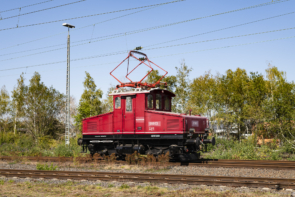
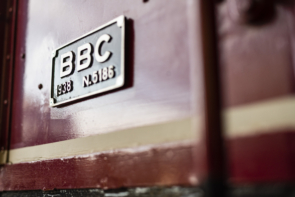
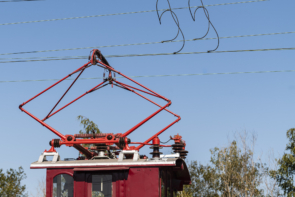
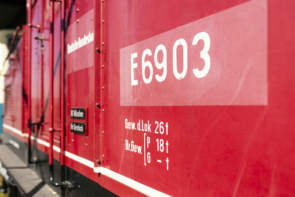
E 69 03
electric locomotive
E 69 03
electric locomotive
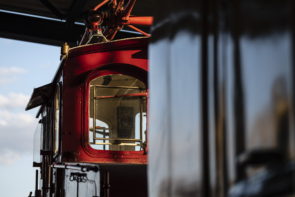
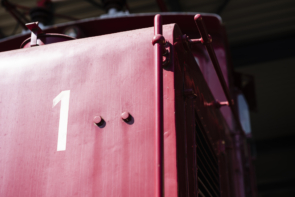
TRIX Express
TRIX Express
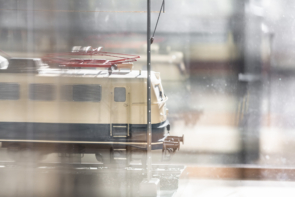
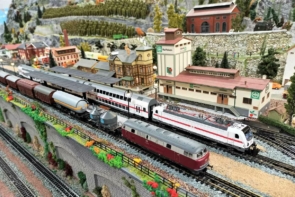
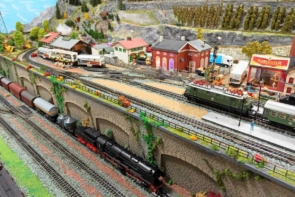
The Trix Express Club Deutschland e.V. was founded in 2001. It is therefore exactly the same age as the DB Museum in Koblenz, on whose premises the club rooms are located. As an integral part of the museum, the club demonstrates the large Trix Express layout every other Saturday. Trix Express models from the last 70 years run on the layout in analog mode. Newer models from well-known manufacturers also run on the layout as conversions.
A large collection of steam locomotive models from all model railway manufacturers and many models from TRIX can be viewed in display cases.
LGB
garden railway
LGB
garden railway
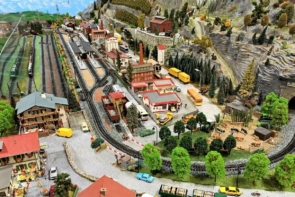
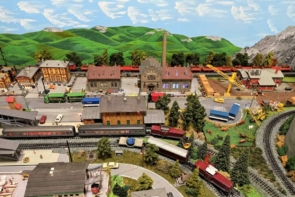
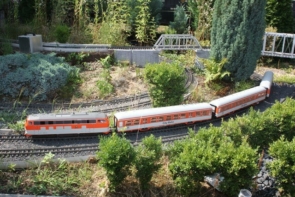
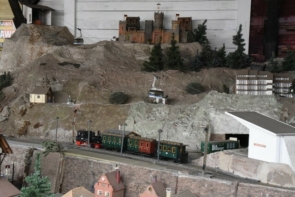
In addition to the large selection of 1:1 vehicles here at the DB Museum, there has been a 120sqm LGB garden railroad layout since the end of 2005. It is presented and maintained by volunteer members. This is usually done on the odd week Saturdays during the opening hours of the DB Museum. In addition, the garden railroad will also be in operation during planned special events.
E03 001
electric locomotive
E03 001
electric locomotive
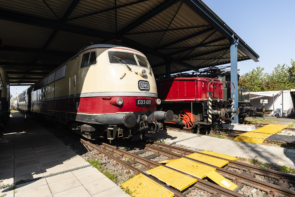
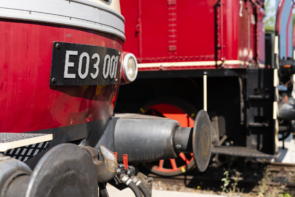
In the early 1960s, Deutsche Bundesbahn planned to build a new high-speed rail network, which was introduced in 1971 under the name “InterCity.” This required a suitable electric locomotive. It had to be capable of speeds of 200 km/h, have a power output of at least 5,000 kW, and be able to pull up to eight passenger cars. With its striking appearance, the locomotive shaped the image of long-distance passenger transport in Germany for years. It also marked the beginning of the 200 km/h era at DB.
Download our App
Visit the DB Museum
Address & Information desk
DB Museum Koblenz
Schönbornslusterstraße 14
56070 Koblenz
Opening hours
April 5 to September 27, 2026
every Saturday 10 am to 4 pm
Admission prices
| Adults | 5 € |
| Families (2 adults and up to 4 children) | 10 € |
| Children (aged 6 to 17) | 2,50 € |
| Reduced price | 4 € |
Children up to 6 years of age | free |
| Current DB employees | free |