Fascinating Insights into the World of Tunnel Construction
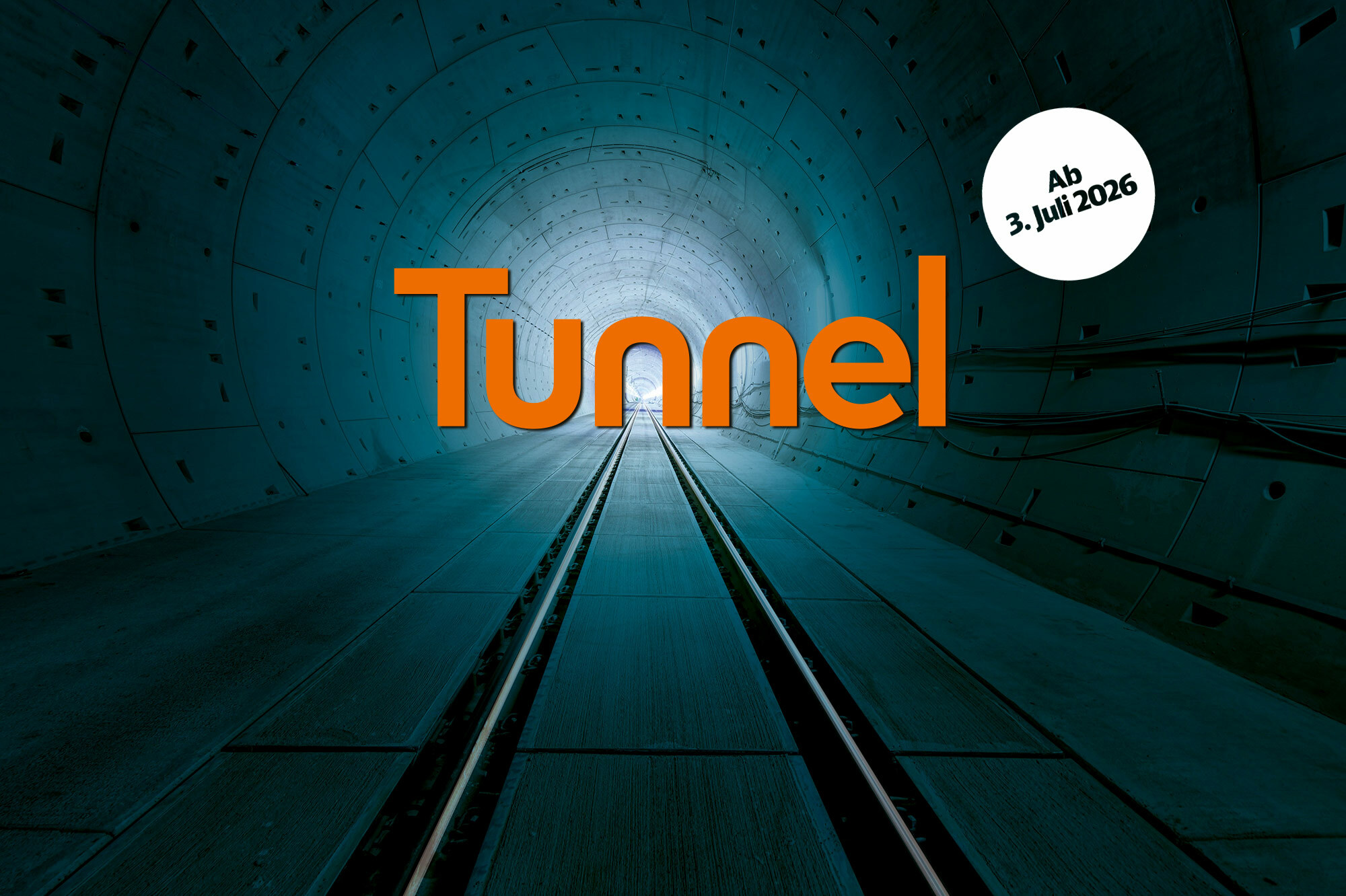
The special exhibition “Tunnels” at the DB Museum in Nuremberg shows how railroad tunnels are planned, built, and used. Visitors will learn why tunnels are indispensable for railways, how modern tunnel boring machines work, and what role tunnels play in our mobility today. The exhibition is aimed at adults, families, and children who can read.
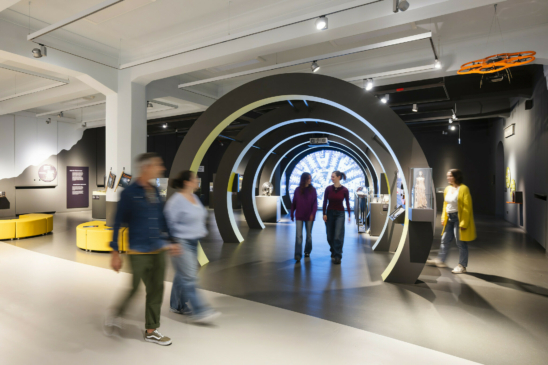
In the special exhibition “Tunnels,” some 200 exhibits offer insights into the world of these dark tubes. Tunnels are masterpieces of civil engineering—and at the same time, arguably the most inconspicuous structures in the railway system.
While bridges visibly shape the landscape, tunnels run hidden beneath mountains, cities, or the sea. They are indispensable for an efficient railway system and modern mobility. The exhibition invites visitors to discover the history, technology, and significance of tunnel construction.
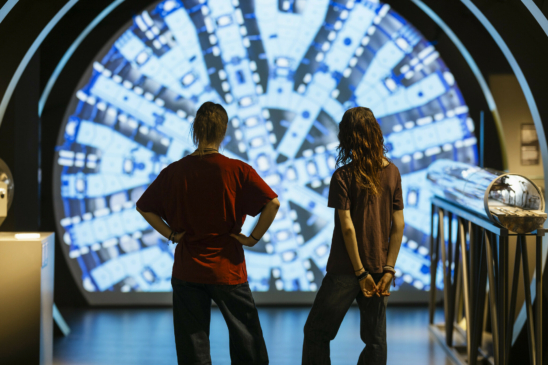
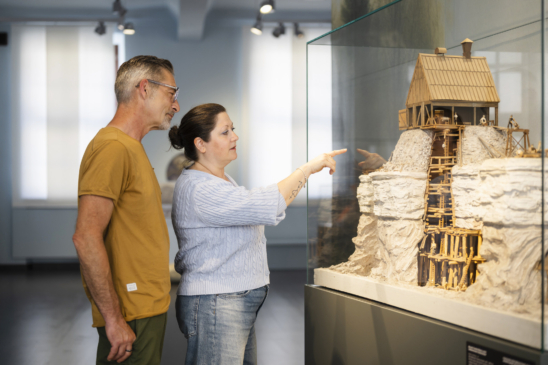
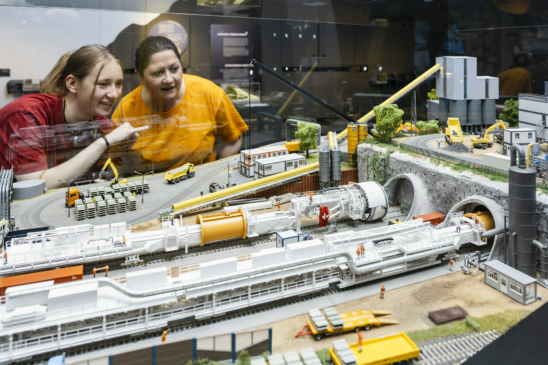
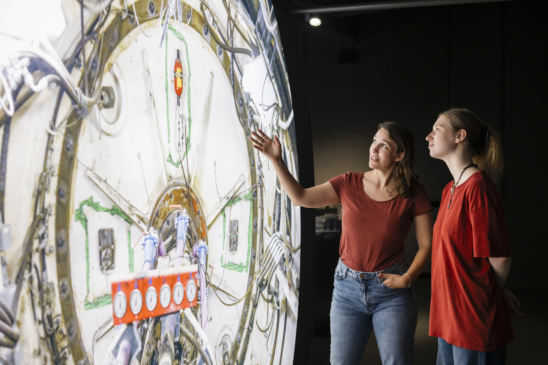
People have been building bridges for thousands of years. Tunnels, on the other hand, only became more common with the advent of the railroad, because trains cannot navigate tight curves and require routes that are as straight as possible. To ensure that the railroad could still reach every destination, special structures were needed: bridges, deep cuts into the landscape—and, of course, tunnels.
In the 19th century, the railroad became a pioneer in tunnel construction. With the rapid expansion of the rail network, tunnel construction evolved into a key technology. A new era of underground construction began, one that continues to this day.
The exhibition highlights the historical development of tunnel construction as well as spectacular contemporary construction projects—from the Baltic Sea to the Alps. Increasing mobility, growing freight traffic, and international connections demand ever more efficient transportation routes.
Railroad tunnels create new connections and shorten travel times. Today, they are among the most important structures in modern transportation infrastructure.
This is made possible by masterful technology, such as massive tunnel boring machines that dig through rock. Using models and original artifacts, the exhibition illustrates the various modern tunnel-building methods.
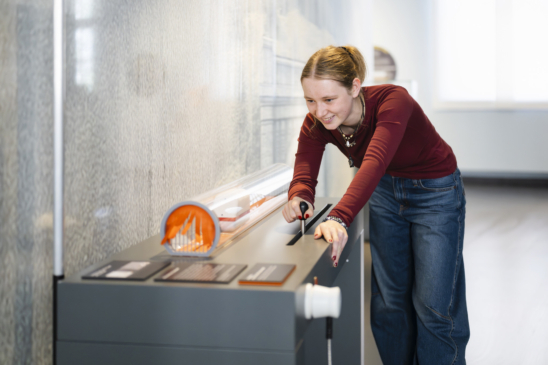
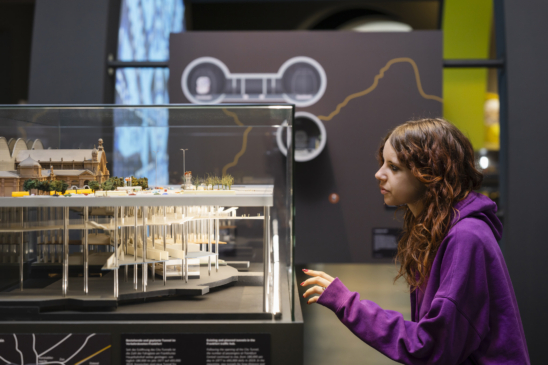

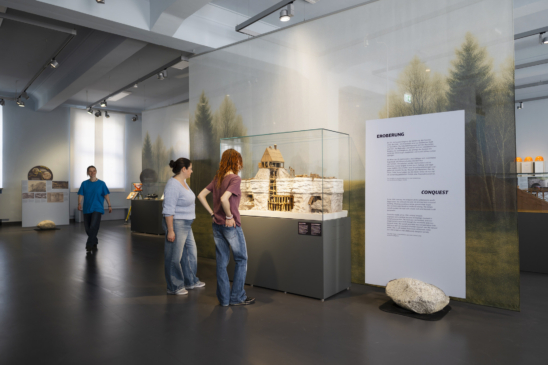
The “Tunnel” exhibition at the DB Museum in Nuremberg is aimed at railroad enthusiasts of all ages. For children who can read, the exhibition features a special storytelling trail: Together with the dwarves Theo, Tina, and Toby Tunnler, they can embark on a scavenger hunt and learn in a playful way why railroads need tunnels, how a tunnel boring machine works, and exactly what a “tunnel bang” is.
The exhibition reveals to railroad fans of all ages what is otherwise hidden—and may just make your next underground ride seem a little different.
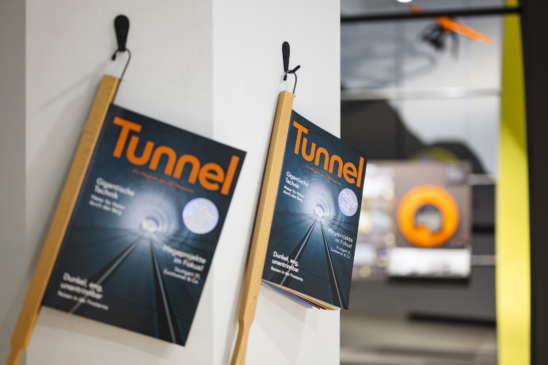
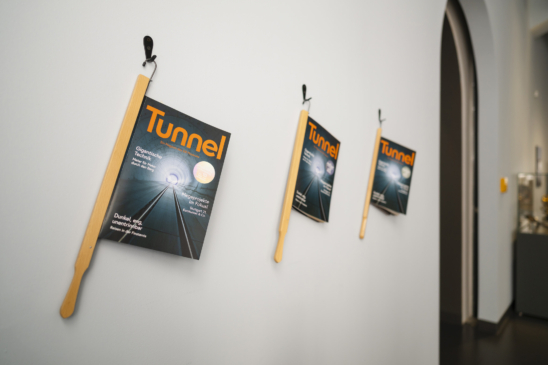
Accompanying the exhibition is a richly illustrated magazine featuring fascinating background information on the topic of tunnels. The special exhibition is complemented by a varied program of events.
For Rail Day in September, the DB Museum, in collaboration with DB InfraGO, will present the regional tunnel construction project, the Fürth Freight Train Tunnel, and offer additional insights into modern railway construction.